
 Share
Share
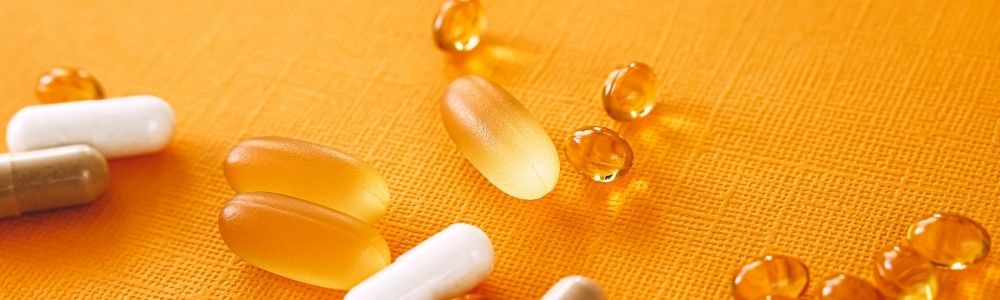
Supplementation after bariatric surgery is a critical part of staying healthy.
When you have a surgical weight loss procedure, the number of calories and the amount of nutrients you can absorb change dramatically, sometimes to the point where you may not be getting the nourishment that you once did.
After specific procedures, especially those involving malabsorption or bypassing the small intestine, the production of intrinsic factor, which metabolizes B12, can be reduced. As such, this is one of the most common deficiencies, though it is easily managed with a daily multivitamin and B12 supplements if needed.
Similarly, most Americans are deficient in vitamin D simply because we don’t get outside enough. Bariatric patients may also be lacking in iron, calcium, and other nutrients. Each of these supplements can be taken after surgery to improve levels.
But what about the supplements we hear about on podcasts and in the biohacking community?
One of the great benefits of podcasts today is that we get a whole lot of information from diverse sources in a very entertaining and digestible form. No wonder podcasts have become so popular and the cornerstone of many media companies’ business plans.
That said, the biohackers, medical professionals, and non-medical armchair experts that we often hear from on podcasts talk about exotic supplements that may or may not have a place in a bariatric patient’s life. You may have heard of supplements like Curcumin/Turmeric, Ashwagandha, Tongkat Ali, Berberine, and much, much more. All of these supplements have their place in certain patients, but their availability, lack of FDA oversight, and hype from various sources, online and offline, make them more likely to be misused.
Most people don’t realize that supplements can have a profound effect on the body. For example, supplements like Berberine and Curcumin may reduce blood sugar and even cause hypoglycemia in patients who are otherwise managing their blood sugar with prescription medications.
Other supplements may have liver or kidney toxicity issues that won’t be known unless patients periodically have blood tests to check for these problems. As such, supplements should not be taken without the oversight of a qualified medical professional, dietitian, or nutritionist who is well-versed in the various supplements available to you.
Some Practical Advice on Supplements
First and foremost, if you have had bariatric surgery, you will need to take specific supplements to ensure you aren’t deficient in many of the most common concerns after your surgical procedure. Exactly which supplements you need will depend on your unique physiology and post-operative needs.
Especially during the first several months, and for a couple of years after bariatric surgery, we suggest avoiding supplements not on the approved list and staying on track with your diet and exercise program. Doing so gives you the best chance to minimize potential complications while ensuring your body gets the nutrients it needs as you shed weight.
Of course, certain supplements are more benign than others. For example, some patients benefit greatly from magnesium supplementation, and a body with normal kidney function can excrete excess magnesium. In cases of oversupplementation, a patient may experience diarrhea, nausea, and abdominal cramping.1
Other vitamins are not so benign, and excess supplementation can have more serious effects. Too much vitamin E, for example, can thin the blood, and too much vitamin A can lead to liver problems.
Once again, all supplementation, both vitamin and herbal products, should be discussed with an appropriate, qualified medical professional to ensure that it is the proper course of action.
Beyond Supplementation
When you’re ultra-focused on your body, a whole world of alternative foods and drinks opens up because you’re looking out for them. For example, what about newfangled sodas like Poppi, supposedly healthy energy drinks like Celsius, and various other protein bars, shakes, and breakfast foods?
Look back 50 or 60 years, when we didn’t have any of these – people managed to stay relatively healthy and keep their weight in check. As much as these options may be intriguing, the fact is that our bodies don’t necessarily require anything more than lean proteins, healthy fats, and complex carbohydrates from whole foods, along with any micronutrients and doctor-recommended vitamin and mineral supplements we may need along the way.
Indeed, your supplementation after bariatric surgery is essential, but beyond that, focus on eating well and keeping your portions in check. Your success is also ours, so we want you to have all the tools and knowledge you need to make the best decisions for your health after surgery.
We encourage patients, prospective and current, to contact the team at Gastric Sleeve Center with any questions they may have before and after surgery.
- Lidor, A. O., Steele, K. E., Stem, M., Fleming, R. M., Schweitzer, M., & Marohn, M. R. (2015). Long-term Quality of Life and Risk Factors for Recurrence After Laparoscopic Repair of Paraesophageal Hernia. JAMA Surgery, 150(5), 424–431. https://doi.org/10.1001/jamasurg.2015.25.